Hybrid batteries don't fail overnight. They fade — one weak cell module at a time — over years and tens of thousands of miles. The good news is that a few of your daily habits genuinely influence how gracefully that happens, and none of them require you to baby the car.
Here's what actually moves the needle, based on what we see every week in the shop.
1. Drive It Regularly — Idling Doesn't Count
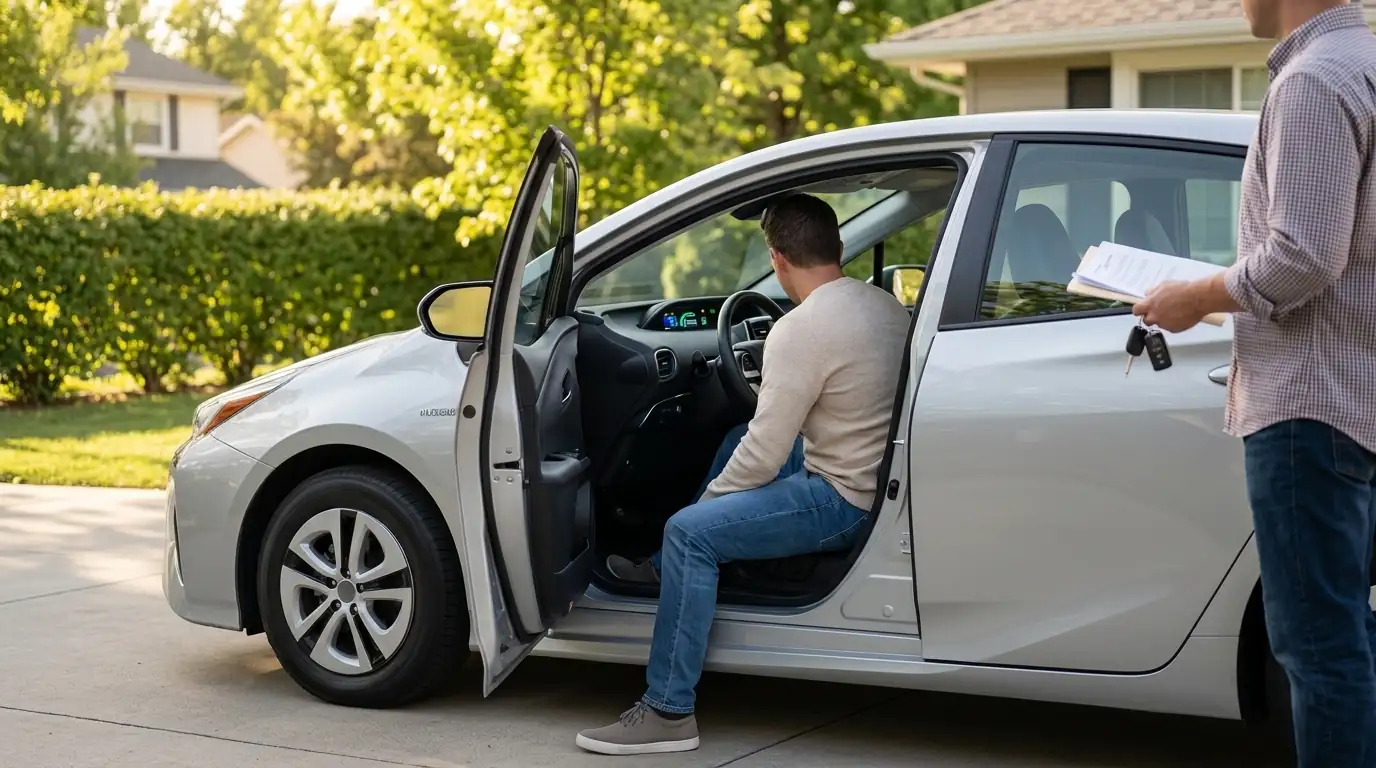
A hybrid battery that sits for weeks is worse off than one that gets used. Long periods parked let the pack self-discharge and fall out of balance, and it's one of the more common reasons a low-mileage hybrid shows up with battery trouble. If you're not driving much, one longer weekly drive of 20 to 30 minutes does more good than a string of short daily hops. That kind of drive lets the pack charge and discharge properly, which is what keeps all the cells balanced and working evenly.
The detail most owners miss: starting the car and letting it idle in the driveway does very little for the hybrid battery. Idling mainly keeps the small 12V battery topped up and the electronics awake — worth something, but not what the hybrid pack needs. What the pack needs is the actual cycling that happens when you accelerate, brake, and cruise.
So if the car is going to sit for a while, a real drive is the goal. If nobody can drive it, a few minutes of idling is a fallback that protects the 12V — not a substitute for driving.
And to put one worry to rest: a week or two parked is nothing to be concerned about on a healthy pack. It's the multi-week and multi-month stretches that cause trouble, and even then the 12V battery is usually what complains first.
2. Don't Ignore the First Warning Signs
The dashboard warning light is the last step, not the first. Before it appears, most people notice the gas engine running more than it used to, weaker acceleration, or fuel economy quietly dropping. Those early signs are the cheapest moment to act — catching a pack early can mean a smaller repair instead of a full replacement.
A failing cell doesn't fix itself. The sooner it's diagnosed, the more options you usually have.
3. Keep the Cooling Vents Clear
Most hybrid packs are air-cooled through a vent — usually near the rear seat or in the trunk area. That vent is how the pack breathes. When it gets blocked by cargo, pet hair, or years of dust, the pack runs hotter than it should, and heat is the single biggest enemy of battery life.
This one is genuinely free to do well: don't stack luggage or boxes against the vent, keep the area around it clean, and have it cleaned out periodically. It's one of the simplest things an owner can control.
4. Park Cool When You Can
Sustained heat ages a battery faster than almost anything else. Nobody can control the weather, but where you park is a real choice, and it adds up over the years.
Park in the shade when it's available. Use a garage or covered spot when you have one, especially during summer heat. A car that bakes in an open lot every afternoon is putting its pack through something a car parked in shade simply isn't. None of it is dramatic on any single day — it's the cumulative effect across seasons that matters.
5. Go Easy on the Load
Heavy electrical and mechanical load creates heat, and heat is what wears the pack down.
Sitting parked with the engine running and the AC blasting is one of the least productive things you can do to a hybrid system — the pack takes the strain without the benefit of any real driving cycle. Hard acceleration puts it under sustained demand for the same reason, and so does climbing a long hill under heavy throttle.
This doesn't mean driving timidly. But if you're running an older or reconditioned pack and you want to get the most life out of it, three habits make a real difference: ease off on hard acceleration, take long hills gently rather than pushing the car, and don't lean on the AC while sitting parked.
6. Address BusBar Buildup Early
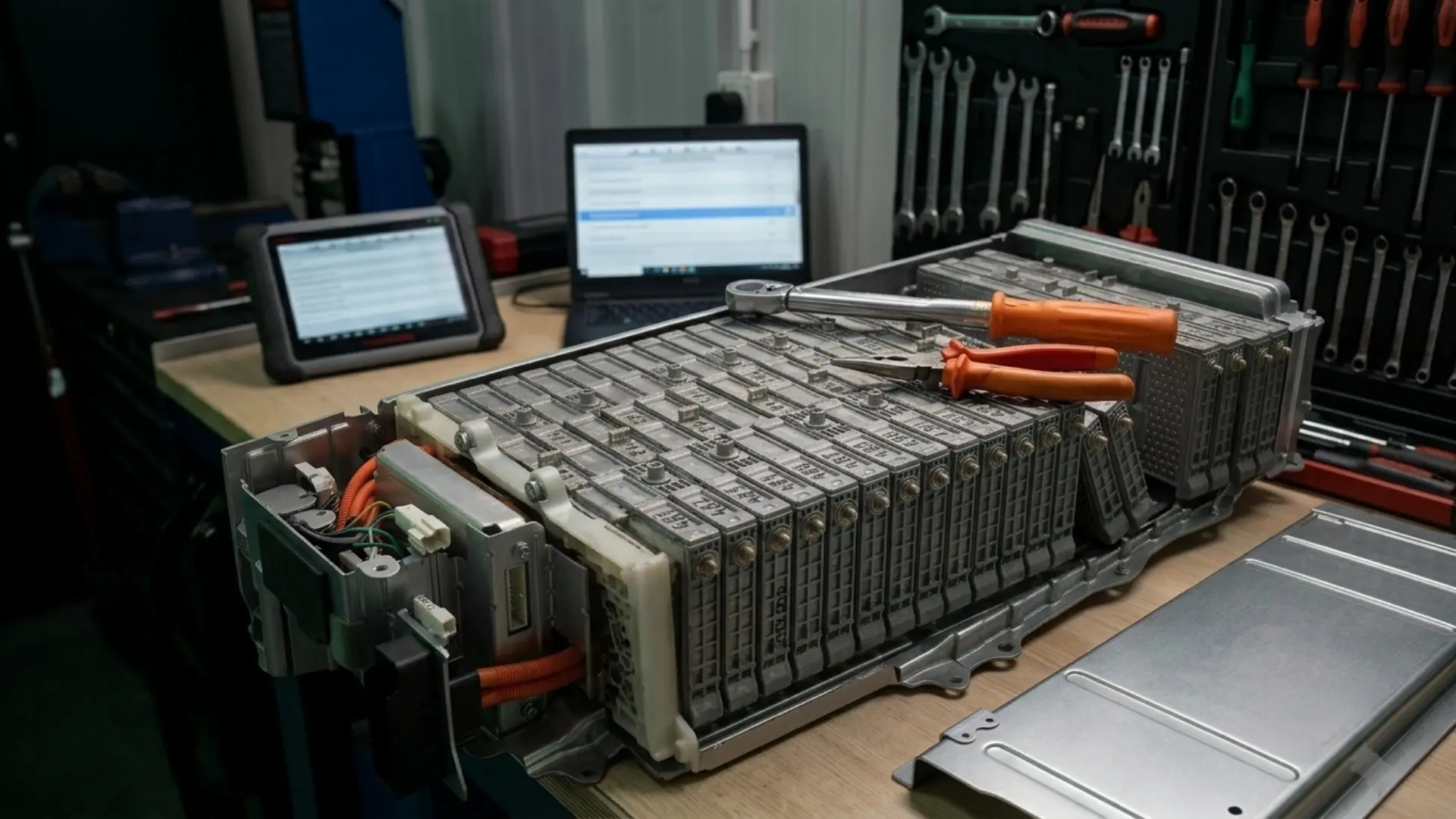
Over time, the connections inside the pack accumulate debris and oxidation. Left alone, that imbalance drags healthy cells down with the weak ones. Preventive BusBar and debris cleaning is a maintenance service — not a repair — and it's one of the few things that can genuinely extend the life of a pack that's still healthy.
7. Get an Honest Diagnosis Before Replacing Anything
When symptoms do show up, the most important habit is refusing to guess. Plenty of "dead battery" cases turn out to be a single weak module, a cooling fan, or something outside the pack entirely. A proper hybrid diagnostic tells you what's actually failing before you spend money — which is the whole point.
What You Can Stop Worrying About
One thing owners often ask: should you manage a hybrid battery's charge the way you'd manage a phone? No. The car's system handles charging and discharging on its own and deliberately keeps the pack in a safe middle range. There's no "always charge to 100%" rule for a standard hybrid — the electronics are already protecting the battery for you.
Hybrid batteries are more resilient than most owners think. Driven regularly, parked cool, kept clean, and checked at the first sign of trouble, a pack can serve you well for a long time. And when it does eventually need attention, catching it early almost always means more choices and a smaller bill.
If your hybrid is showing any of the early signs above, it's worth a look before the warning light forces the issue.
Hybrid Battery Trouble?
Get an honest diagnosis from a Dr. Prius Certified specialist. Same-day service available, warranty on every job, mobile service across the Bay Area.