Over 10,000 hybrid batteries serviced since 2017. These are the customers who trusted us — and came back.
Loading reviews...

The Hybrid Engine
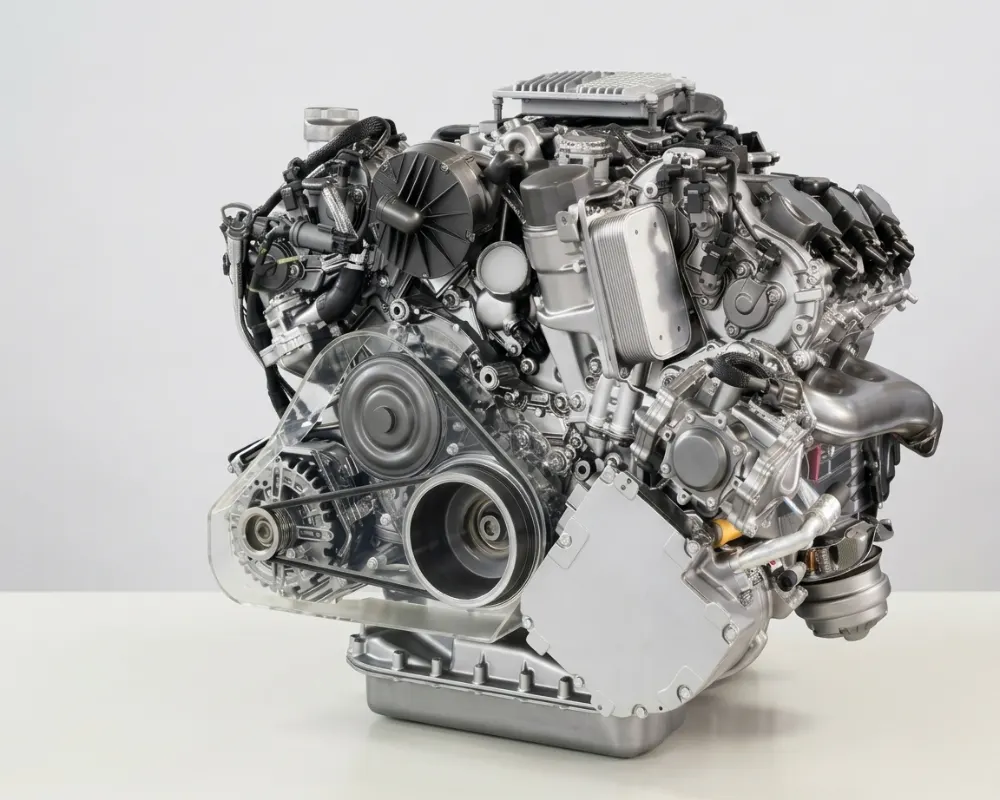
In a hybrid, the gasoline engine doesn't do the job alone — the electric motors share the work. That partnership is part of why hybrid engines often live long, healthy lives. But they're still combustion engines. They still accumulate wear over years, miles, and operating cycles.
When wear progresses past a certain point — significant compression loss, internal damage, severe oil consumption, head gasket failure, or a major mechanical event — the practical question becomes whether to repair what's there or replace it with something better. That's the conversation a hybrid specialist can actually have with you, grounded in the realities of your specific vehicle.
Replacement isn't the default. It's the answer when it's actually the answer.
Signs Worth Investigating
Engines rarely fail without warning. They give signals — sounds, smells, performance changes, fluid issues. Recognizing them early is the difference between a manageable repair and a roadside surprise.
Persistent metallic knocking — especially under load or at start-up — can indicate internal engine wear. The sound itself doesn't diagnose the cause, but it's a signal that warrants a closer look before something escalates.
Topping off oil between regular changes is a common early sign of engine wear in higher-mileage hybrids. The rate of consumption tells us a lot about what's happening internally.
A noticeable drop in performance, a rough idle, or the engine struggling under loads it used to handle smoothly can point to compression issues, valve problems, or other internal wear.
Codes related to misfires, low compression, or specific cylinder issues that come back after repeated repair attempts often signal something deeper than the surface fix can address.
Milky oil on the dipstick, or coolant that looks oily, suggests an internal seal failure — head gasket, cracked head, or other internal damage. These rarely heal on their own.
Repeated overheating episodes — especially after the cooling system itself has been checked and serviced — can indicate the engine has internal damage causing the problem.
Hearing or feeling something off? Speak to a Specialist — describe what's happening and we'll help you decide on next steps.
Why a Quality Used Swap
For most hybrids past a certain age, brand-new factory engines don't make financial sense. A carefully sourced and inspected used engine — installed by specialists — is often the path that gets you back on the road without overpaying.
Every replacement engine is evaluated for compression, oil condition, and overall health before it goes in. A used engine that doesn't pass inspection doesn't get used — full stop.
We source engines from low-mileage donor vehicles when possible. The goal is an engine with meaningful life left in it — not a unit that's just slightly fresher than the one being replaced.
A new factory engine is rarely a financially sensible path for a hybrid that's already several years into its life. A quality used engine often delivers strong value without pushing the repair past the vehicle's worth.
A hybrid engine swap isn't a conventional engine swap. The drivetrain, power split device, and hybrid electronics all need to be reconnected and verified. Specialists handle this routinely.
When a swap isn't the right call, we'll tell you. Some symptoms point to a leaking gasket, a failed sensor, or a cooling system issue — not the engine itself. We diagnose first and recommend replacement only when the engine is genuinely the problem.
How We Approach It
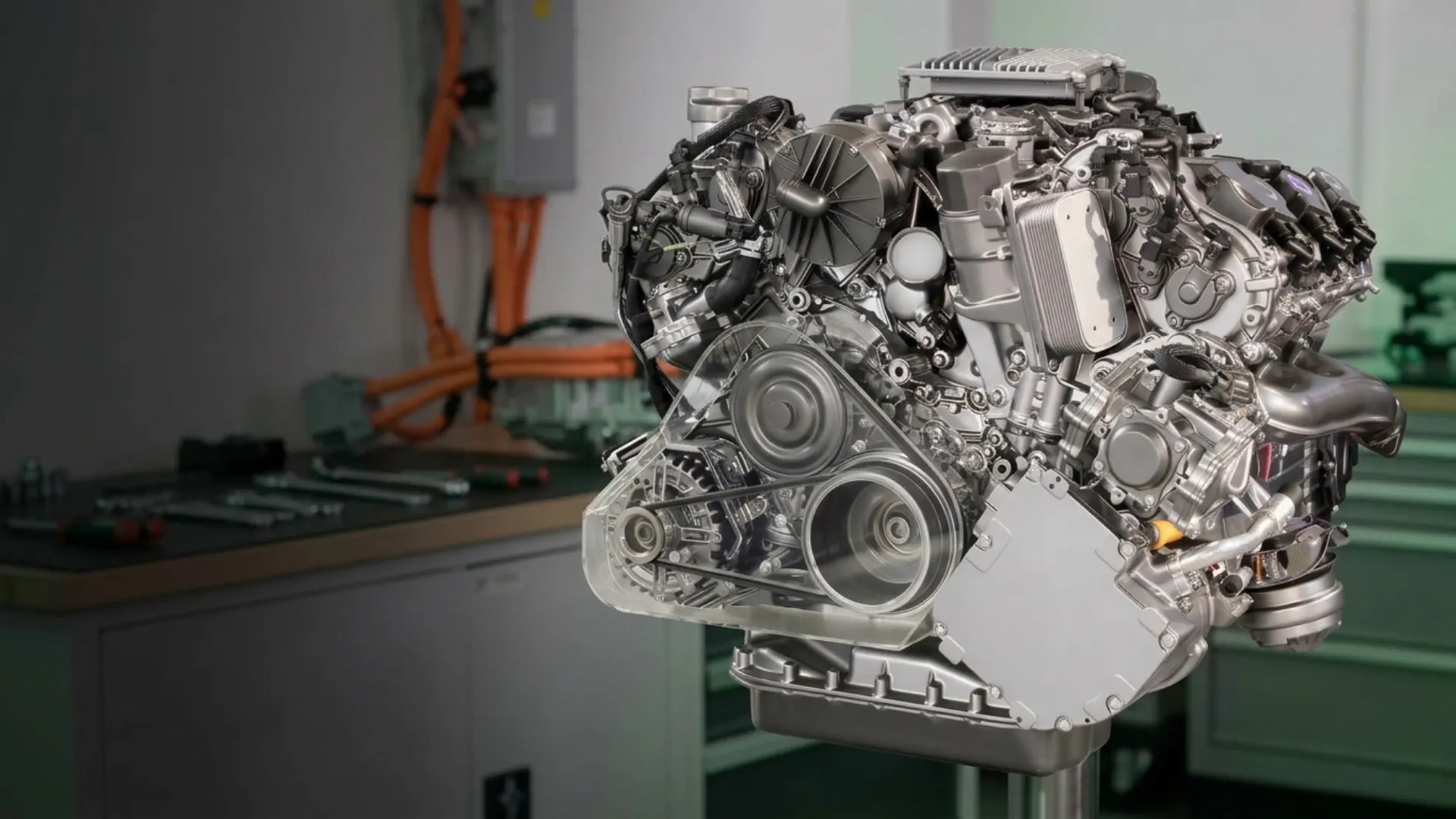
An engine swap is a serious job. We treat every step of it with the care that level of work deserves — starting with whether the swap is even the right answer.

Compression test across all cylinders, fault code review, oil and coolant analysis, and inspection of related systems. The point is to confirm the engine is the actual problem — not a symptom of something else upstream.
We source from low-mileage donor units when possible. Each candidate is screened for mileage, history, and apparent condition before we even consider it for installation.
Before the replacement engine touches your vehicle, we evaluate it ourselves — compression, oil condition, external inspection. If something looks off, we move on. The engine that goes in is one we'd put in our own hybrid.
Failed engine removed, replacement installed and properly connected to the hybrid drivetrain, fluids and consumables refreshed where appropriate, hybrid system scanned and verified post-installation. Test drive before the vehicle leaves.
Pre-Installation Inspection
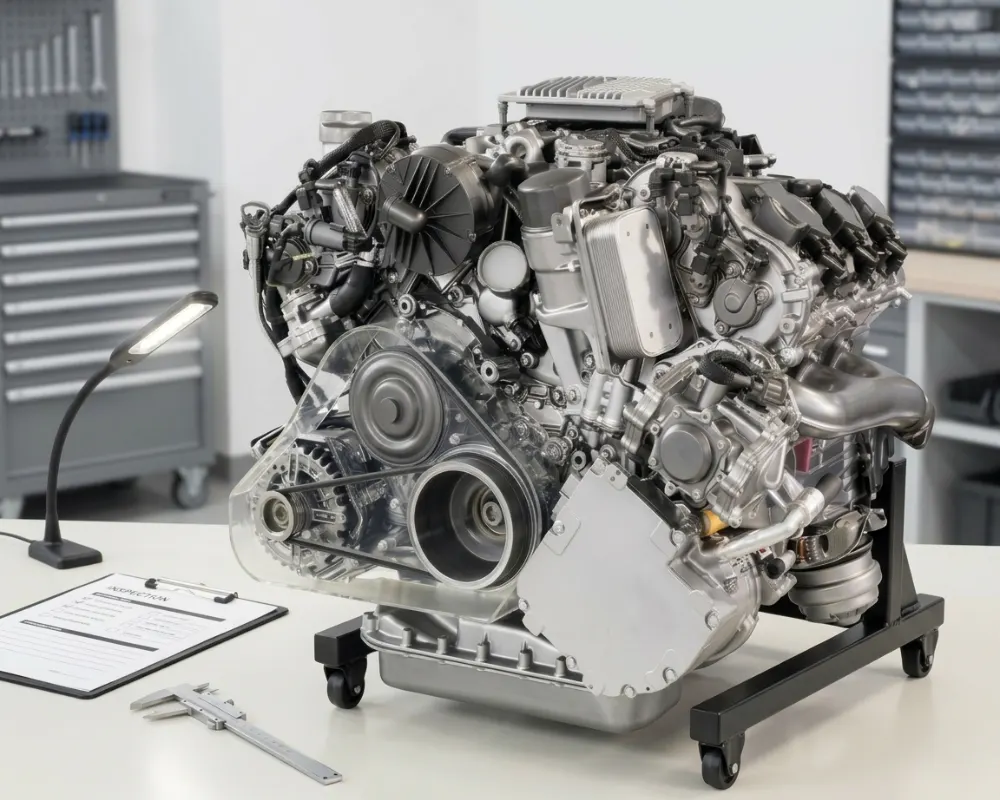
Used engines are only as good as the inspection that vetted them. Here's what every replacement candidate goes through before we approve it for your vehicle:
If the engine doesn't pass, it doesn't go in. That's the floor.

Common Questions
Where We Serve
Based in San Leandro — towing coordination available if your vehicle isn't safe to drive in. Engine swaps are shop-based work; we'll help you get the vehicle to us.
Don't see your city? Speak to a Specialist — we serve the wider Bay Area and can help arrange transport.
Diagnosis first. Honest recommendation. Inspected, low-mileage replacement engines installed by a shop that does this for a living. Warranty included on every job.