Over 10,000 hybrid batteries serviced since 2017. These are the customers who trusted us — and came back.
Loading reviews...
What It Is
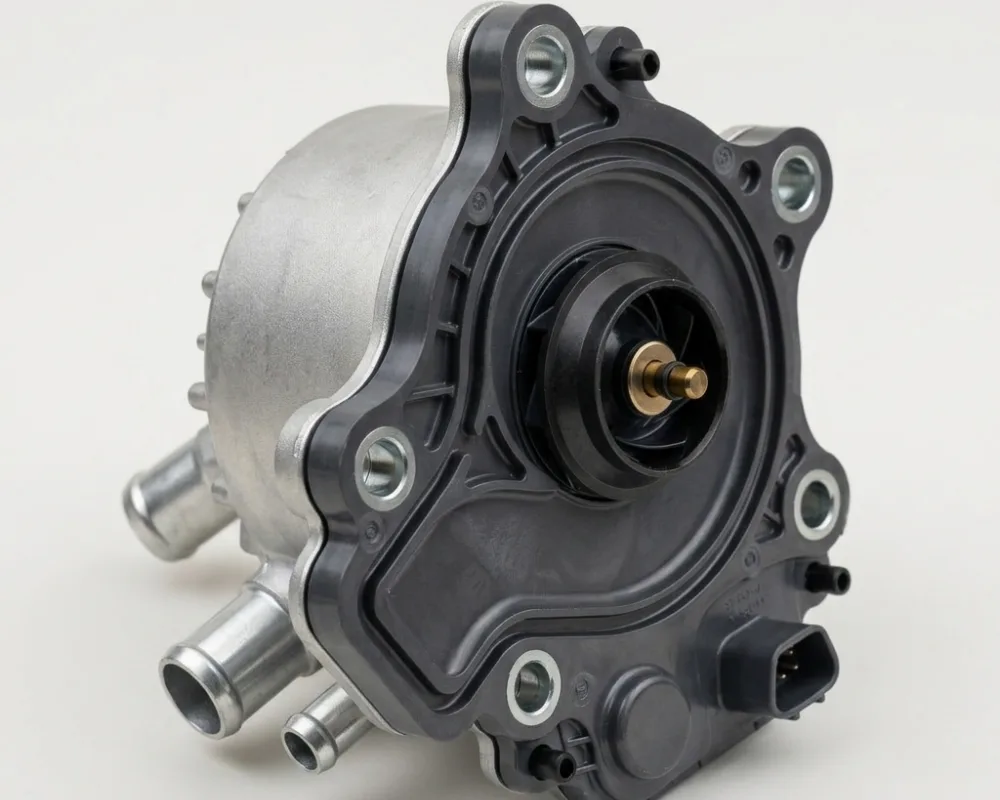
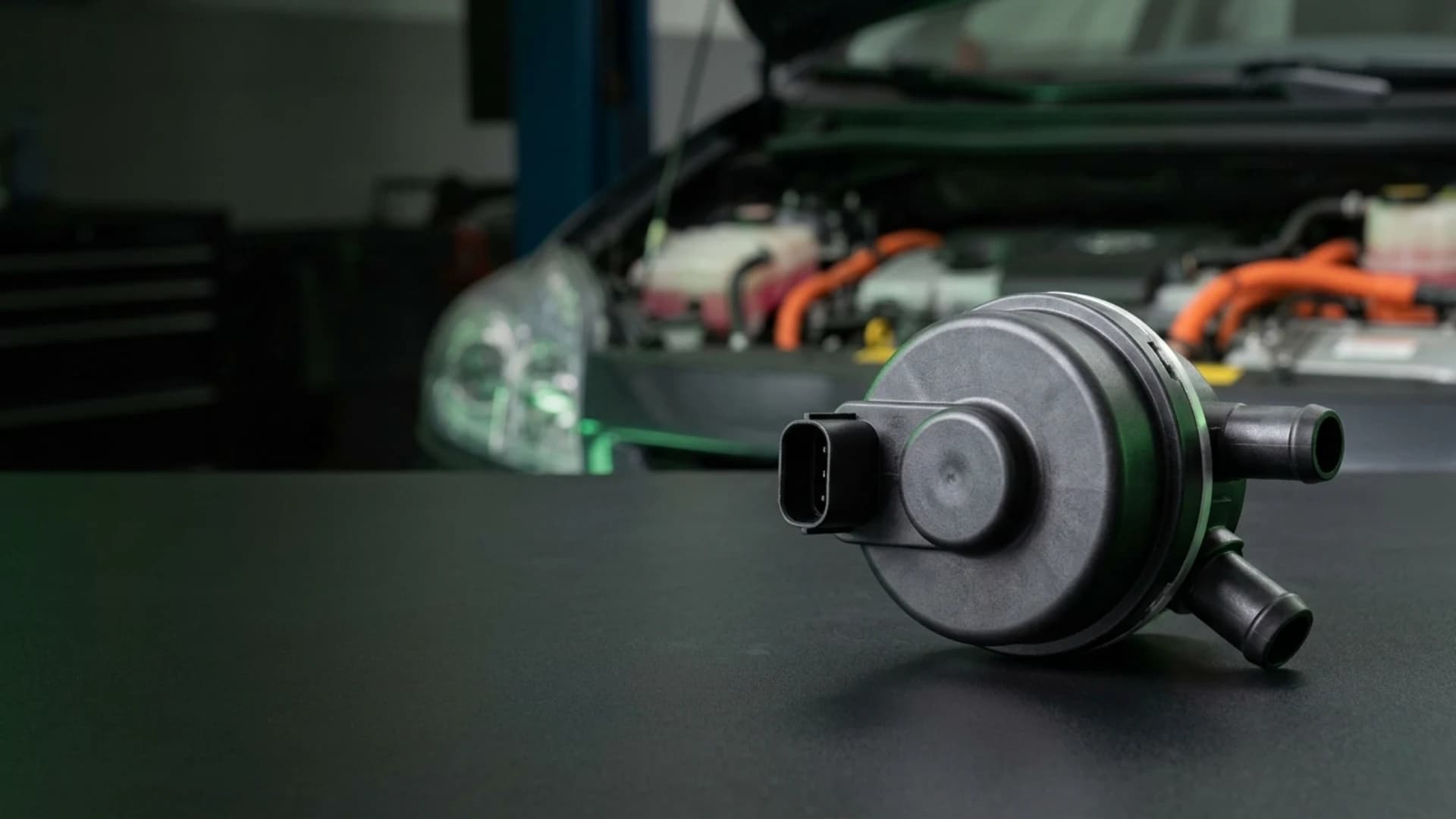
A conventional water pump is driven mechanically — the engine spins it through a belt or chain, and it circulates coolant through the engine. The hybrid electric water pump is built differently. It runs on its own electric motor, controlled independently by the vehicle's computer. That means it can operate even when the combustion engine is off — because the components it protects don't stop generating heat just because the engine does.
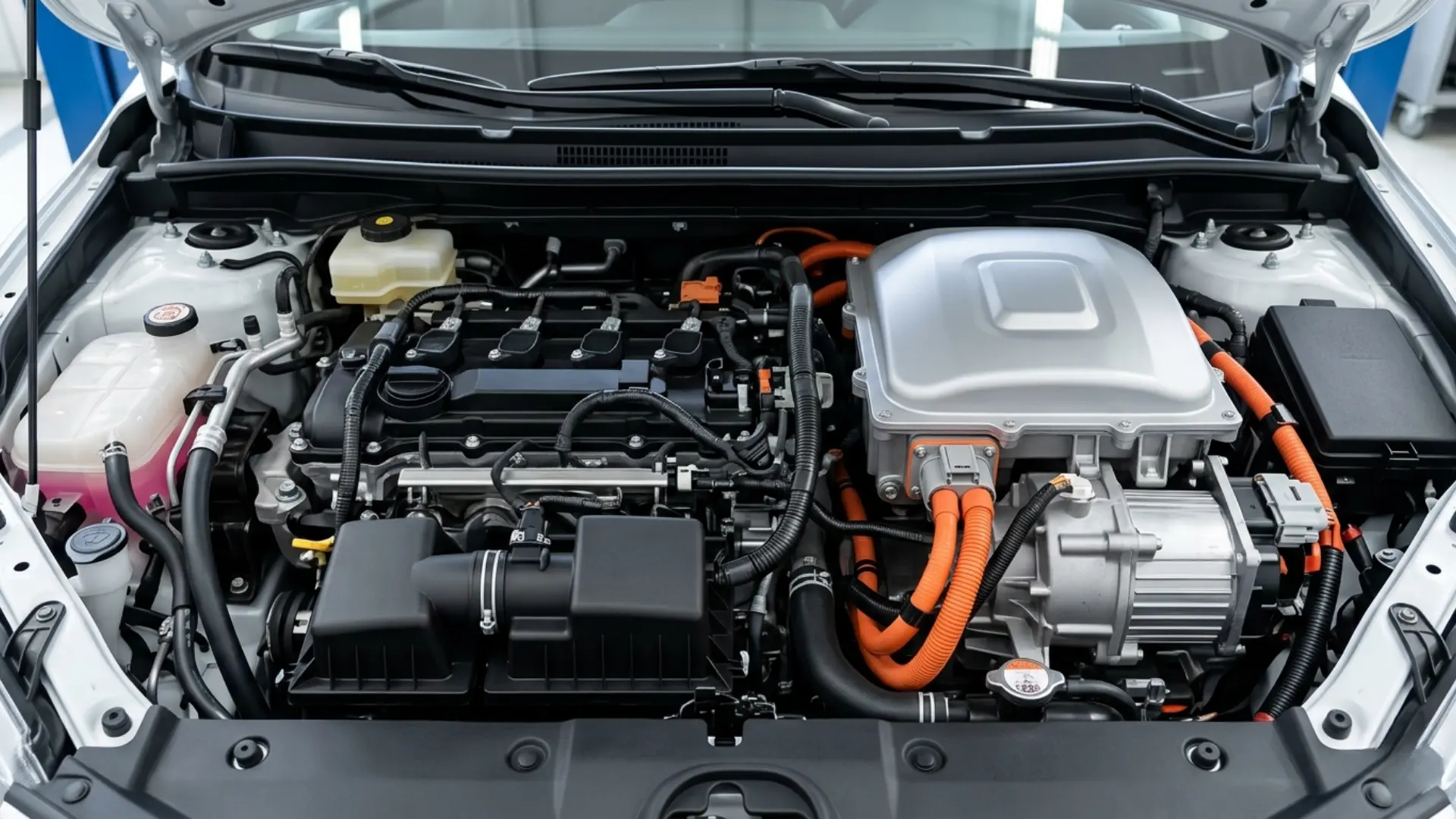
Its job is to push coolant through the dedicated high-voltage cooling circuit — keeping the inverter and power electronics within a safe temperature range — and on some hybrids, the battery system as well. Hybrid manufacturers designed a separate cooling loop for these components precisely because the stakes are higher. Heat is the primary enemy of hybrid electronics.
One small pump. A lot riding on it.

Why It Matters
The hybrid electric water pump isn't moving coolant for the sake of it. Every litre that circulates is protecting components that can't easily tolerate heat — and can't easily be replaced cheaply when they fail because of it.
Your hybrid inverter converts DC battery power to AC for the drive motor — and generates significant heat doing it. Coolant flow from the electric pump keeps it within safe operating range.
On most hybrids, the electric pump also cools the transaxle — the assembly housing the drive motor, generator, and planetary gearset. Sustained heat here wears bearings and degrades the precision components inside.
The control modules and converters that manage power flow between the battery, inverter, and motor are sensitive to sustained heat. The coolant loop keeps these components in their designed operating window.
When thermal management fails, it doesn't just affect one part — the system throttles output, throws warning codes, and can cause cascading damage across components.
Warning Signs
A failing hybrid water pump doesn't always announce itself loudly. Some symptoms are subtle at first — then get worse. Here are the signals worth taking seriously.
A warning light related to hybrid system temperature or a red triangle alert can indicate the cooling circuit isn't keeping up. Don't dismiss it — the system is asking for attention.
When the hybrid system gets too warm, it reduces output to protect itself. If your hybrid feels sluggish or unusually weak, thermal management is one of the first things to investigate.
The electric water pump runs on a motor with bearings. A high-pitched whine, grinding, or unusual hum near the front of the engine bay can signal the pump is wearing internally.
A leak in the hybrid cooling circuit — whether at the pump itself, a hose, or a connection — can present as a small puddle under the vehicle or a persistently low coolant reservoir.
A general hybrid system warning doesn't always name the pump, but a failing coolant pump can trigger it. The fault codes tell the real story — diagnosis reads them correctly.
The hybrid water pump is electronically controlled. A pump that runs non-stop, or one that a scan tool shows isn't running when it should, points to the pump or its control circuit.
Noticing any of these? Speak to a Specialist — we'll walk through what you're seeing and what it could mean.
How We Approach It
Hybrid cooling system symptoms can have more than one cause. We confirm what's actually failing before recommending anything. No pushed repairs — just an honest read of what the system is telling us.

We start by listening — what you're noticing, how the vehicle is behaving, and any warning lights. Then we pull fault codes from the hybrid system. The codes often point directly at the pump or narrow down which part of the cooling circuit is involved.
We check pump operation electronically, inspect for coolant leaks at hoses, fittings, and the pump body, evaluate coolant condition, and confirm the thermal management system is responding correctly. A failing pump and a leaking hose can look similar from the driver's seat — the inspection separates them.
Once we know what's actually failing, we tell you exactly what it is and what the repair involves. If it's the pump, we'll explain what replacement requires for your specific vehicle. If it's something else, we'll tell you that too — no inflated repair lists.
The pump is replaced with a correct-specification unit. We refill and bleed the cooling circuit, evaluate coolant condition (and replace if needed), then verify hybrid system temperatures are within range before the vehicle leaves.

The Bigger Picture
The hybrid electric water pump is not a premium part. Compared to an inverter or a battery pack, it is a modest component. But what it guards is not modest — the inverter and power electronics in a hybrid vehicle represent some of the most expensive repair territory in the system.
A cooling failure that goes unaddressed long enough doesn't stay a cooling failure. Heat degrades power electronics, accelerates battery aging, and can cause the system to throw faults that look like something else entirely — leading some shops down the wrong diagnostic path.
Catching and replacing a failing pump on time is almost always the less expensive path.
Common Questions
Where We Serve
Based in San Leandro — towing coordination available if your vehicle isn't safe to drive in. Mobile diagnostic service across the Bay Area.
Don't see your city? Speak to a Specialist — we serve the wider Bay Area and can help arrange transport.
Diagnostic first. Honest recommendation. Correct-specification replacement when it's needed. We protect the system you already have — so the repairs stop there.