Over 10,000 hybrid batteries serviced since 2017. These are the customers who trusted us — and came back.
Loading reviews...
What It Is
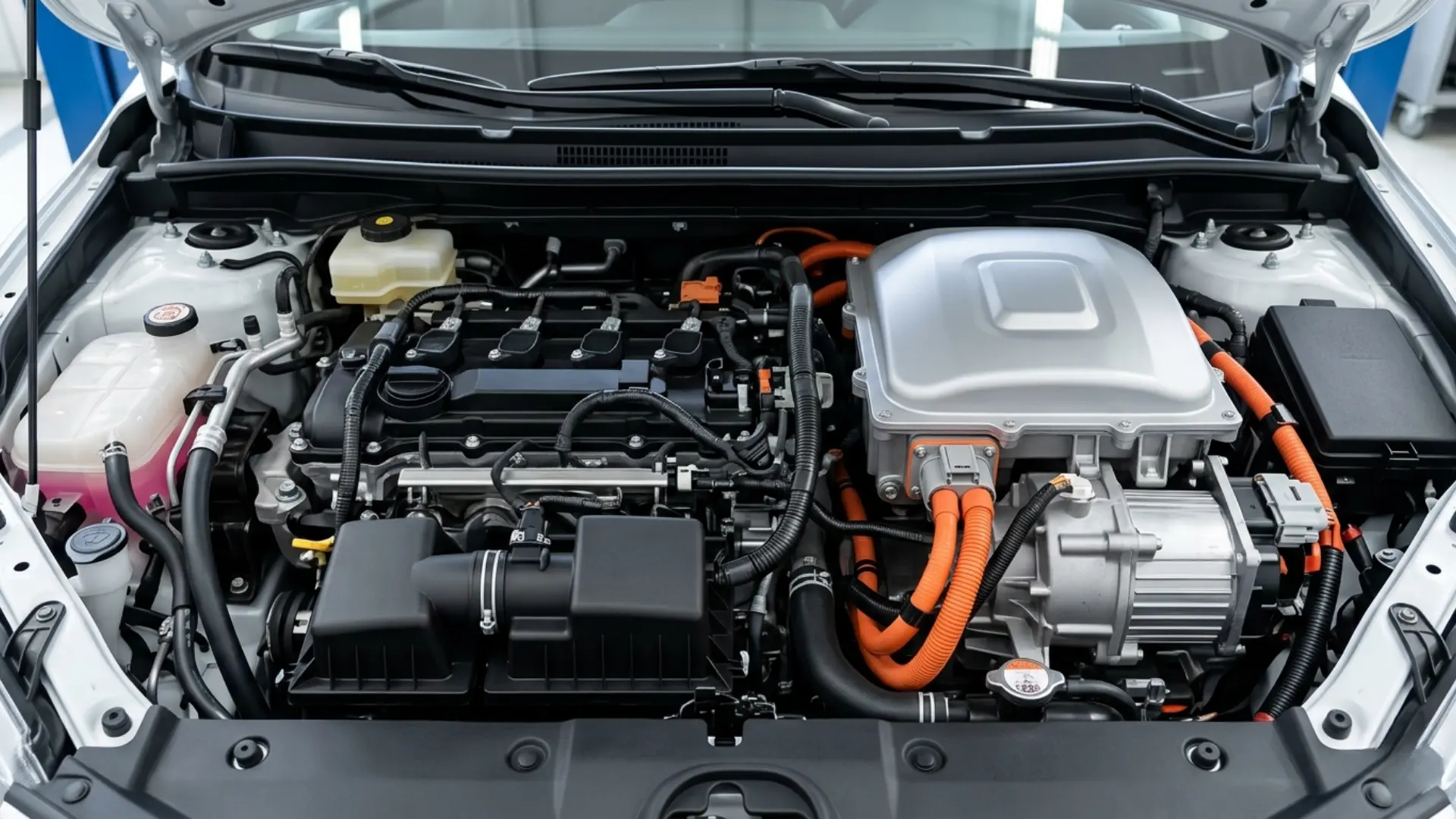
Often called the inverter, the inverter/converter, or the hybrid DC inverter — it's the component that handles every conversion of power inside your hybrid vehicle. It moves power between the high-voltage battery and the electric motors, changes DC into AC and back again, and steps voltage down to run the 12V electronics that everything else in the car depends on.
When it begins to fail, the symptoms can be confusing because they overlap with other hybrid system issues. That's why our specialists confirm the actual cause through diagnostic testing before recommending an inverter repair or replacement.
Converts high-voltage DC power from the hybrid battery into the AC power needed to drive the electric motor and motor-generators.
Converts AC current generated during regenerative braking back into DC power that recharges the high-voltage hybrid battery.
The integrated DC-to-DC converter steps high-voltage power down to 12V to charge the auxiliary battery and run standard electronics.
Coordinates how power moves between the battery, engine, and electric motors during acceleration, cruising, and braking.
Common Warning Signs
These symptoms can point to inverter trouble — but they can also mimic other issues. A proper diagnostic confirms what's actually going on before any replacement is recommended.
One of the most common signals — the hybrid system has detected a fault it considers significant. Often points to inverter or related components.
Dash powers up but the vehicle refuses to enter Ready mode for driving. Frequently associated with inverter or 12V system issues.
Vehicle stalls or enters limp mode mid-drive. May restart after cooling down — a pattern sometimes linked to inverter overheating.
Unusual electronic whining or humming from the engine bay can sometimes indicate the inverter or its cooling pump is struggling.
An unexplained drop in MPG can occur when the hybrid system can't seamlessly switch between electric and gas power.
The inverter has its own dedicated cooling loop. A failed coolant pump or low coolant can cause the inverter to overheat and fail.
Experiencing one or more of these? Speak to a Specialist — we'll help you decide what to do next.
Why Address It Promptly
An inverter that isn't regulating power properly can cause erratic charge and discharge cycles on the hybrid battery, potentially shortening its usable life.
Inverter problems often involve cooling system issues. Ignoring early signs like a failed coolant pump can lead to overheating and a much larger repair.
Sudden power loss while driving — a possible inverter failure mode — is genuinely unsafe. Addressing warning signs early reduces that risk.
Our Process
Hybrid system codes pulled and reviewed at the module level. We confirm whether the inverter is actually the cause — or if something else is mimicking it.
Inverter coolant level and pump function inspected. Sometimes the fix is a cooling pump replacement, not a full inverter — we won't recommend more than what's needed.
A specialist explains the findings and the recommended path — repair, full inverter replacement, or addressing a different root cause. Quote in writing before any work.
High-voltage system safely de-energized following hybrid-specific procedures. Inverter serviced or replaced. Cooling system properly bled and refilled before handoff.
Common Questions
Where We Serve
Based in San Leandro — towing coordination available for vehicles that aren't safe to drive in. Mobile diagnostic service across the Bay Area.
Don't see your city? Speak to a Specialist — we serve the wider Bay Area and can help arrange transport.
Diagnostic confirmation first. Cooling system addressed. Repair or replacement only when it's actually warranted. Speak to our team about your symptoms and we'll figure out the right path together.