Cluster Repair in Livermore
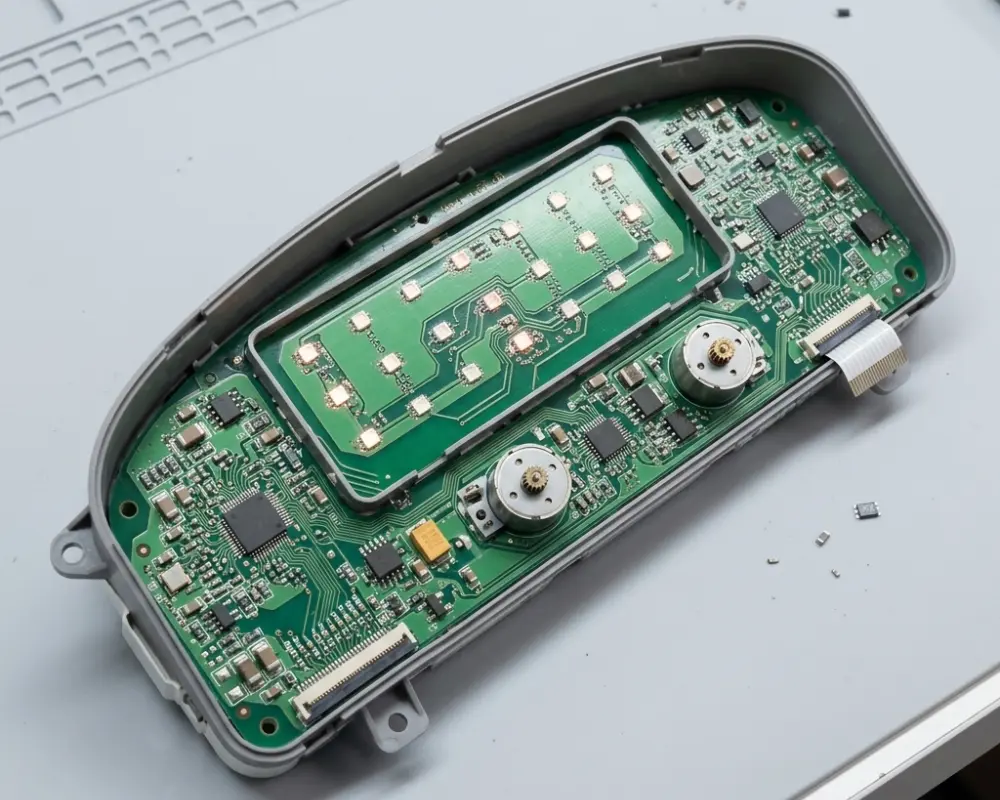
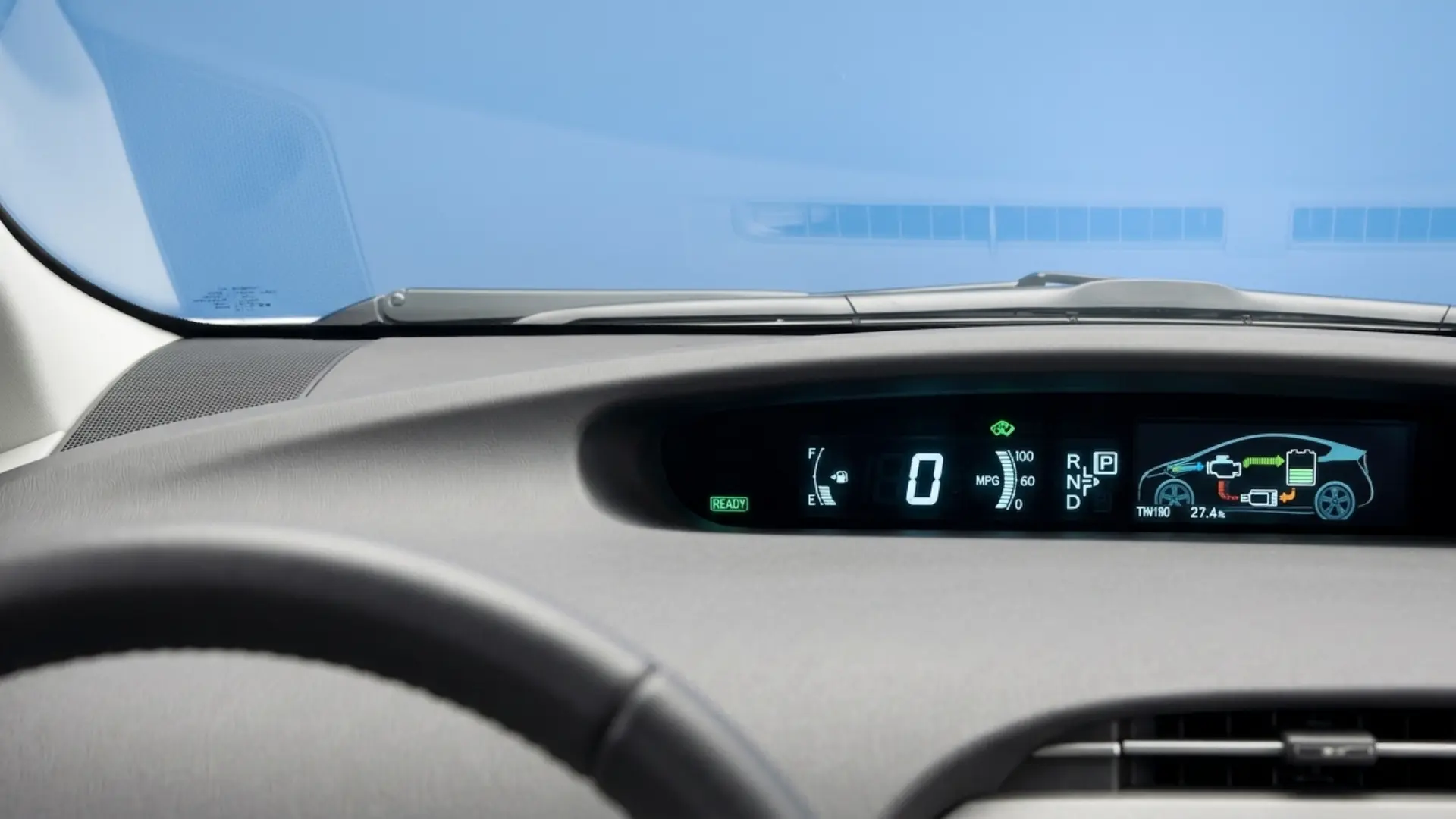
Toyota and Lexus call it the combination meter. Everyone else calls it the instrument cluster. Either way it's a circuit board with stepper motors driving the gauges, LEDs behind the lighting, and a display tied into the vehicle's communication network — sitting behind your steering wheel, taking heat and vibration for years.
When one part of that ages out, the whole panel behaves like it's broken. It usually isn't. A cracked solder joint or a dried-out capacitor makes the dash go dark just as convincingly as a genuinely dead unit would — and swapping the entire cluster to fix it throws away the ninety percent that was still perfectly good.
We've been a specialist shop in Alameda County since 2017. For Livermore drivers that means we find the failed component first — and repairing it keeps your odometer exactly where it is.

Your Odometer Stays Yours
Repairing the original cluster means no reprogramming, no mileage-transfer paperwork, and no re-pairing to the immobilizer.
Where the Assessment Leads
For Livermore vehicles, the assessment decides the repair — not the other way around. Two of these three outcomes cost less than a new cluster, and we look for them first.
A blown fuse, a wiring fault, or a failing sensor upstream can imitate a dead cluster convincingly. When that's what the assessment finds, we say so and quote the actual repair instead of the expensive one.
Failed capacitors, cracked solder joints, worn stepper motors, dead backlight LEDs. Repairing those addresses the real cause, costs less than a new OEM unit, and keeps your original mileage exactly where it is.
Physical damage, a prior failed repair attempt, or extensive corrosion can put a cluster past practical repair. When that's the situation we'll explain why, and walk through what a replacement involves before anything is decided.
Want the full breakdown? See how cluster repair works.
How It Works from Livermore
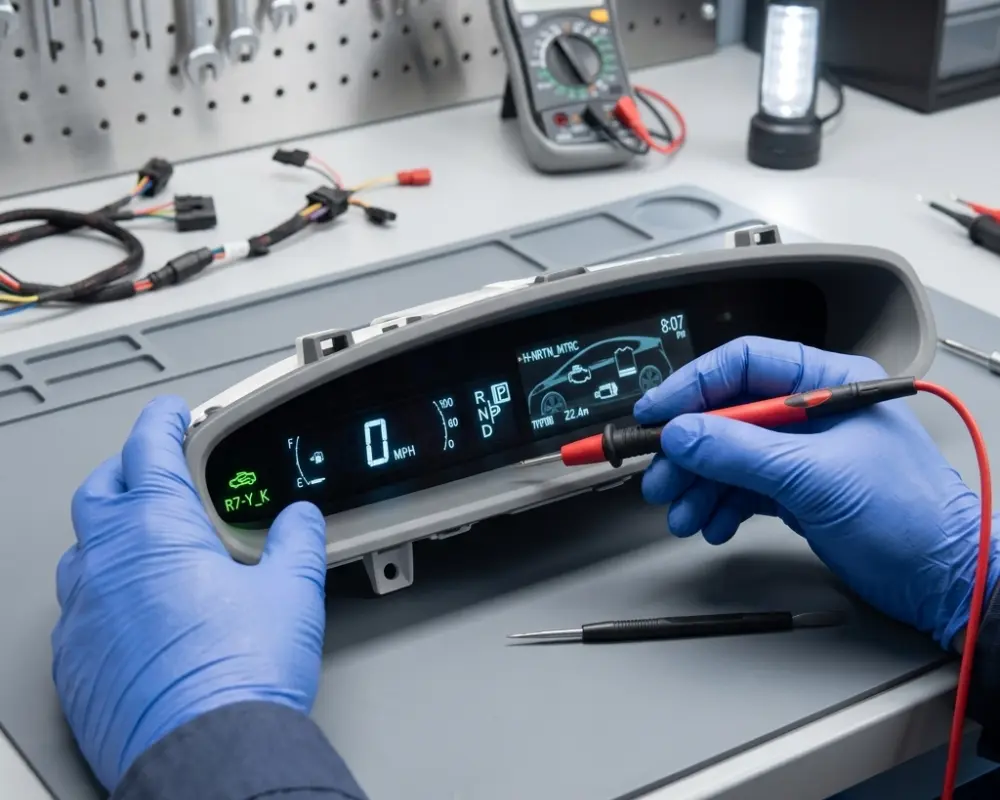
This is bench work — the unit is removed, repaired at the component level, tested across every function, and reinstalled. Here's what that looks like if you're in Livermore.
Describe exactly what the dash is doing — dark, flickering, stuck, dim — and a specialist will tell you what it's likely to be and what the next step is. That conversation costs nothing and saves Livermore drivers a wasted trip.
The cluster is removed and worked on directly: failed capacitors replaced, cracked solder joints reflowed, stepper motors and backlight LEDs addressed. Then it's tested across every gauge, light and display element before it goes back in.
Driving without a working speedometer is a violation in California, and missing warning lights mean you won't know when something else fails. Cluster faults also tend to start intermittent and get worse — earlier is cheaper.
Over 10,000 hybrid batteries serviced since 2017. These are the customers who trusted us — and came back.
Loading reviews...

Why It Matters Here
Tri-Valley summers are the relevant factor here. A car parked in the sun in Pleasanton or Livermore puts the dashboard well past ambient temperature, and the cluster sits directly underneath it. Repeated heat cycling is what dries out electrolytic capacitors and burns out backlight LEDs — which is why dim dashboards and failing displays are common in this part of the Bay Area.
These signs are a reason to get it looked at — not a diagnosis. A blown fuse or a wiring fault can imitate every one of them, and those are far cheaper to fix. The only way to know is to check.
Livermore — Common Questions
Also Serving Nearby
Looking for a different service in Livermore? See hybrid inverter replacement.
Diagnosis first. Component-level repair when it fits. Full replacement only when it's genuinely the right call. Original mileage preserved on repair work, warranty on every job — across the Tri-Valley and the wider Bay Area.
The symptoms described on this page are for reference only and are not a diagnosis. Whether a cluster can be repaired, and how long it takes, depends on your specific vehicle and what the assessment actually shows — speak to a specialist for details.